
The NPC passed China’s new blocking statute, the Anti-Foreign Sanctions Law 中华人民共和国反外国制裁法 on June 10, 2021. The Law provides support for the delegation of power to enable lower-level agencies to implement sanctions measures. As the Law is vaguely worded, State Council agencies are likely to have considerable discretion in implementing it. Of particular concern to multinational companies, the Law also covers spouses and immediate family members as well as officers of listed sanctioned entities.

Mark Cohen (柯恒)
Mark Allen Cohen (柯恒) is currently the Senior Technology Fellow at the Asia Society of Northern California and an Edison Fellow at the University of Akron School of Law. He also serves as a Non-Resident Scholar at the University of California Haas School of Business and University of California, San Diego, and the National Bureau of Asian Research. He previously served as the first Intellectual Property Attaché at the U.S. Embassy in Beijing and as Attorney-Advisor in the Office of International Relations at USPTO. In total, he has over 30 years private, public sector, in house and academic experience on IPR issues in China. This blog represents the opinions of Mark Cohen and any guest authors only and should not be construed as the position of any third party.
Recordings of Recent Past Programs Available
Our program, “Quantum Leap: Developments in China IP Over the Past Two Years,” was held on May 6. The recording is now available here, along with the reading resources. Our talk with […]
IPO Comments on CNIPA Provisions On Patent Application Behavior
The China National Intellectual Property Administration (CNIPA) published its Revised Draft Provisions Concerning Regulating Patent Application Behavior (Draft for Public Comment) (关于规范申请专利行为的若干规定修改草案[征求意见稿]) on May 6, 2021 (the “Draft Provisions”). The purpose of this […]
China’s Anti-Blocking Statute Will Soon Make Its Debut
Xinhua reported on June 7 that the Standing Committee of China’s National People’s Congress will conduct its second reading of a proposed statute, “Law on Opposing Foreign Sanctions” ( 反外国制裁法草案), from June […]
Transitioning to China’s New Patent and Copyright Laws on June 1: Where Have All the Implementing Regulations Gone?

On June 1, 2021, both the revised Copyright Law and Patent Law will come into effect. On May 24, 2021, CNIPA published its “Interim Measures on Disposition of Examination-Related Activities Post Patent Law Implementation” (CNIPA Notice Number 423)《关于施行修改后专利法的相关审查业务处理暂行办法》的公告(第423号)(“Interim Measures”). The Interim Measures address the needs of the patent office of CNIPA to address concrete examination issues in the absence of higher-ranking implementing regulations. Why has China been so slow to pass implementing regulations for its new IPR-related laws? What is the significance of the delay in drafting and implementing these regulations?
The Forgotten Chinese Pioneers of the Predictive Keyboard
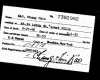
The challenges of inputting Chinese characters has contributed to modern technologies for inputting characters of all language through predictive technologies. One of the early pioneers of the Chinese typewriter lived in New York City. This Chinese-American inventors held several patents in typewriting and transmission of information.
Programs Past and Present

For those who missed them, are the video recording to some recent events: On April 27, 2021 BCLT hosted our third annual “Tech Trade and China” program. The focus this year was […]
Three SPC Reports Document China’s Drive to Increase its Global Role on IP Adjudication
Three reports released during IP week at the end of April separately reflect Chinese judicial plans to issue Anti-suit injunctions, increase global influence, and play a role as a global IP norm setter.
May 2021 China IP and Antitrust Events
There is still time to register for “Quantum Leap: Developments in China IP Law over the Past Two Years”. The program will discuss the major changes in Chinese IP that have occurred […]
What the 301 Report Says About Future Relations on IP with China
USTR released its Special 301 Report (the “Report”) on April 30, 2021. The China except is attached here. The Report addresses a wider range of IP issues than in many prior years. […]

 China IPR - Intellectual Property Developments in China